How Many Letters?

The Owlets read the book Chrysanthemum by Kevin Henkes about a girl with a very long name – 13 letters! The class honed their letter and name recognition skills while creating name flowers, adding a petal for each letter of their name. During this activity, many of the Owlets used scissors for the first time! When practicing new skills, the teachers use language like “This is tricky, but you can do tricky things” and “The more you practice, the easier it gets.” 
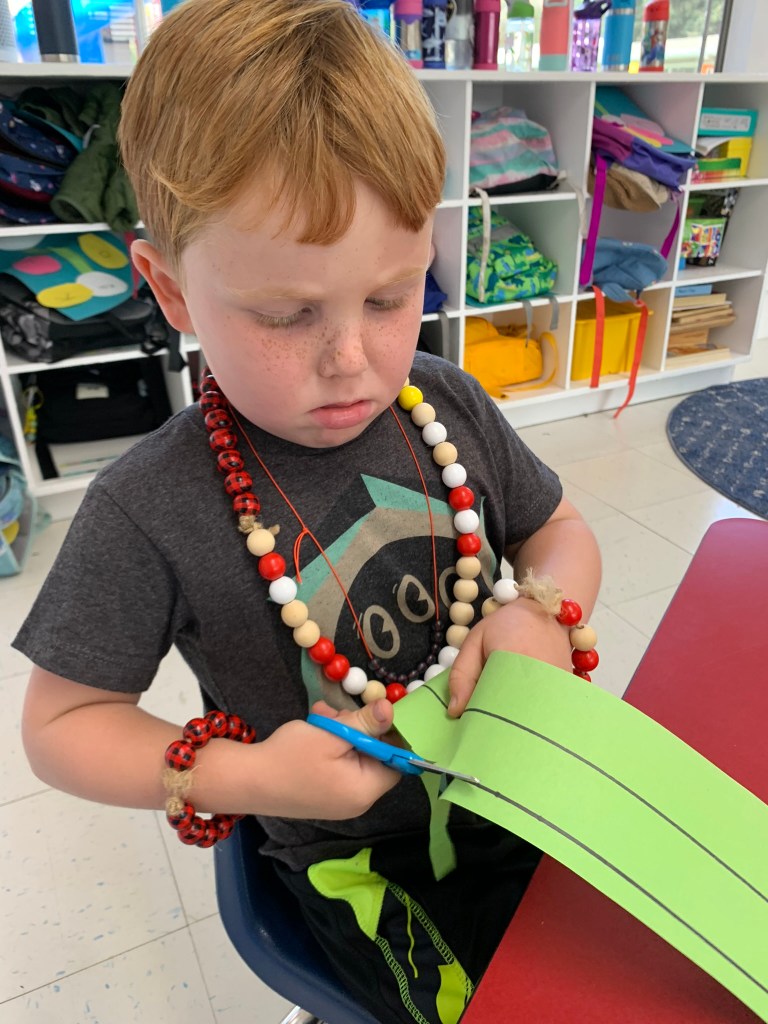
The Owlets also got the opportunity to build their names with letter blocks. They learned that the longest name in their class is 8 letters, while the shortest name is only 3 letters.
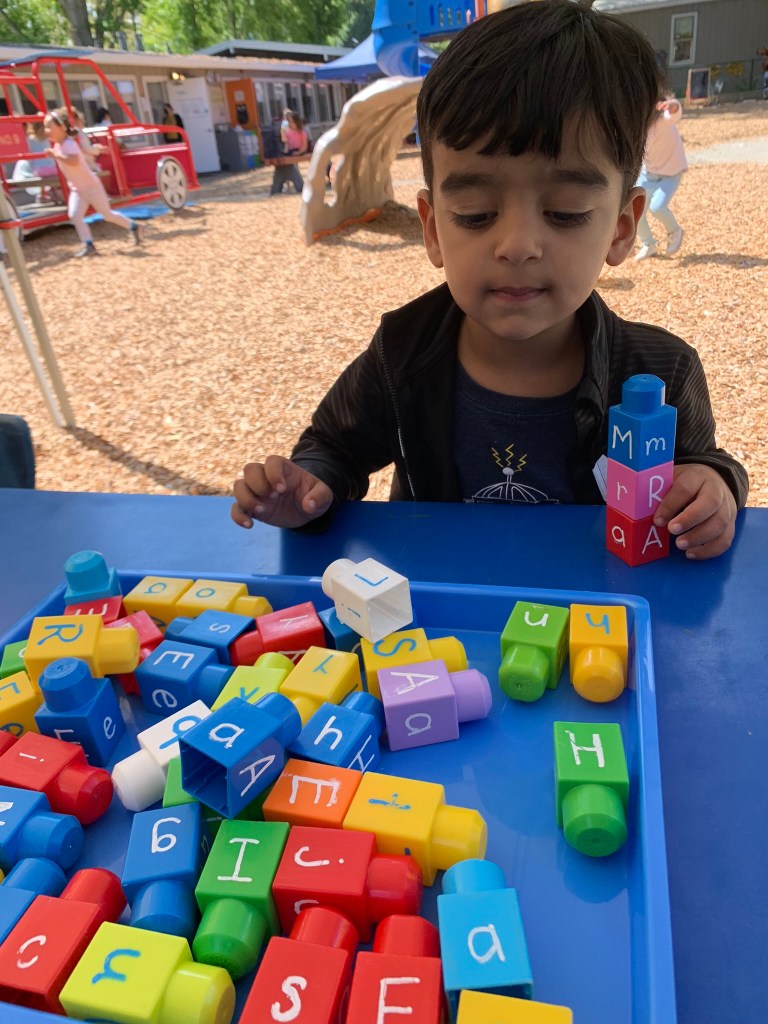
These name and letter activities were not only fun, but also provided opportunities for the Owlets to work on their fine motor skills.

Magical Yets

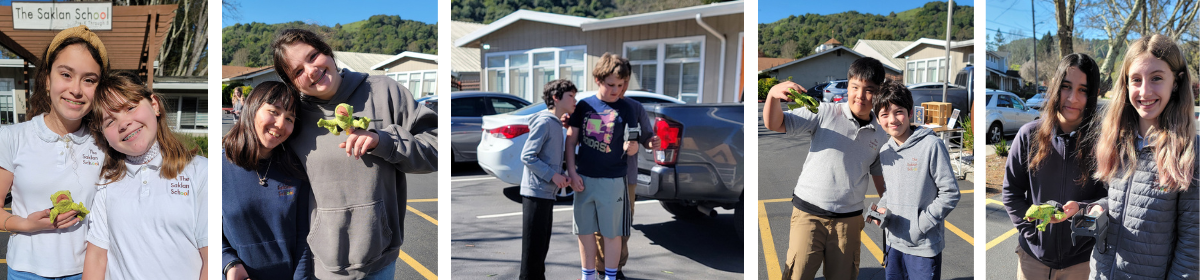
To encourage a growth mindset throughout the year, the Kindergarten class has been reading The Magical Yet, written by Angela DiTerlizzi. This is an encouraging and uplifting story that reminds us that we all have things we haven’t learned or can’t quite do… yet! It teaches about perseverance and the importance of trying, and about what is yet to come.

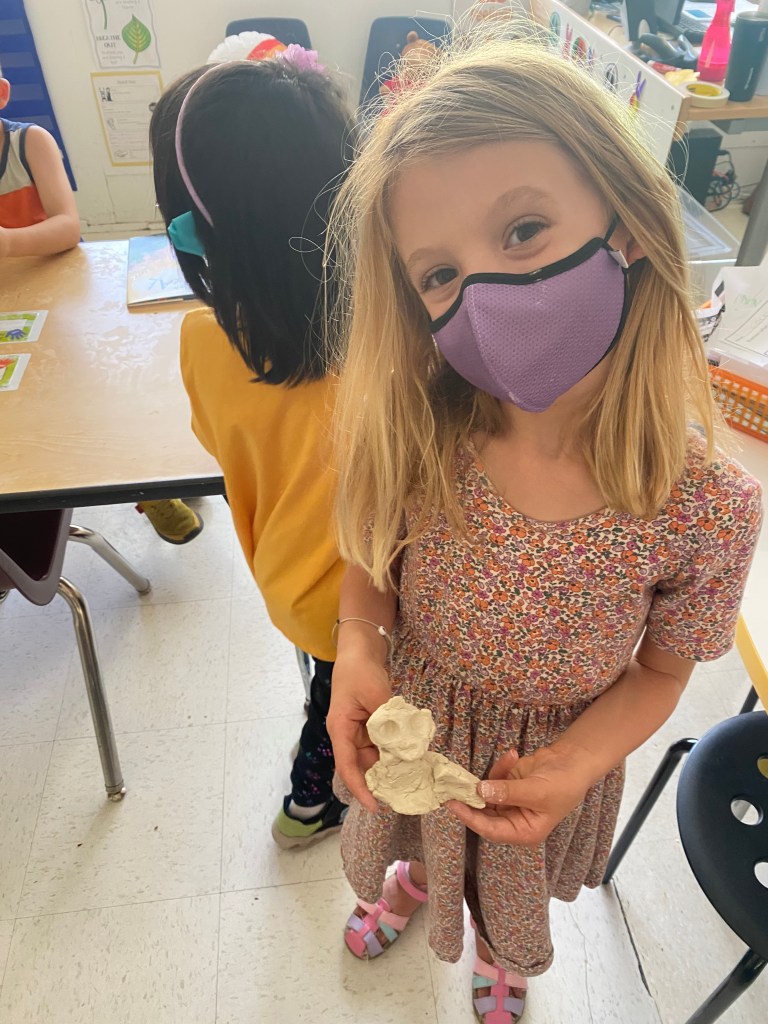
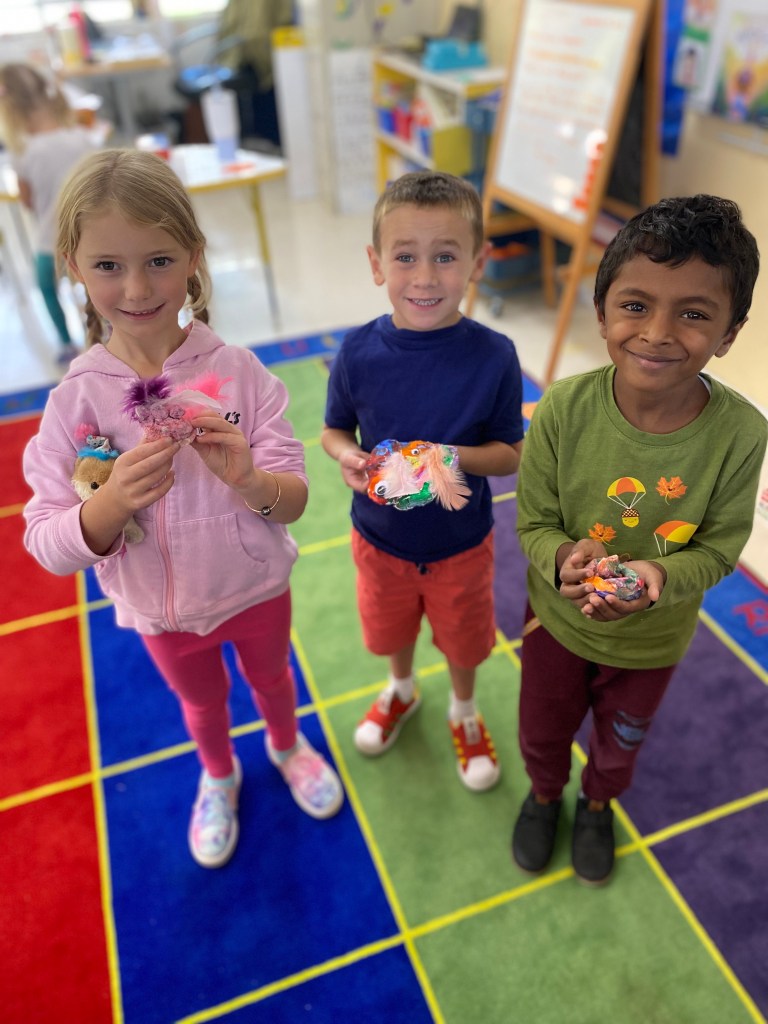
Each kindergartner was asked to imagine their Yet. They then sketched and colored their Yet. Next, students used clay to bring their Yet to life. They used paint, and then added feathers, googly eyes and glitter glue to further define their Yets.

All of the Yets are now on display on the windowsill in the classroom. They serve as a reminder to keep trying and you’ll reach your goal because that’s the Power of Yet!

#SaklanCourage #SaklanSEL

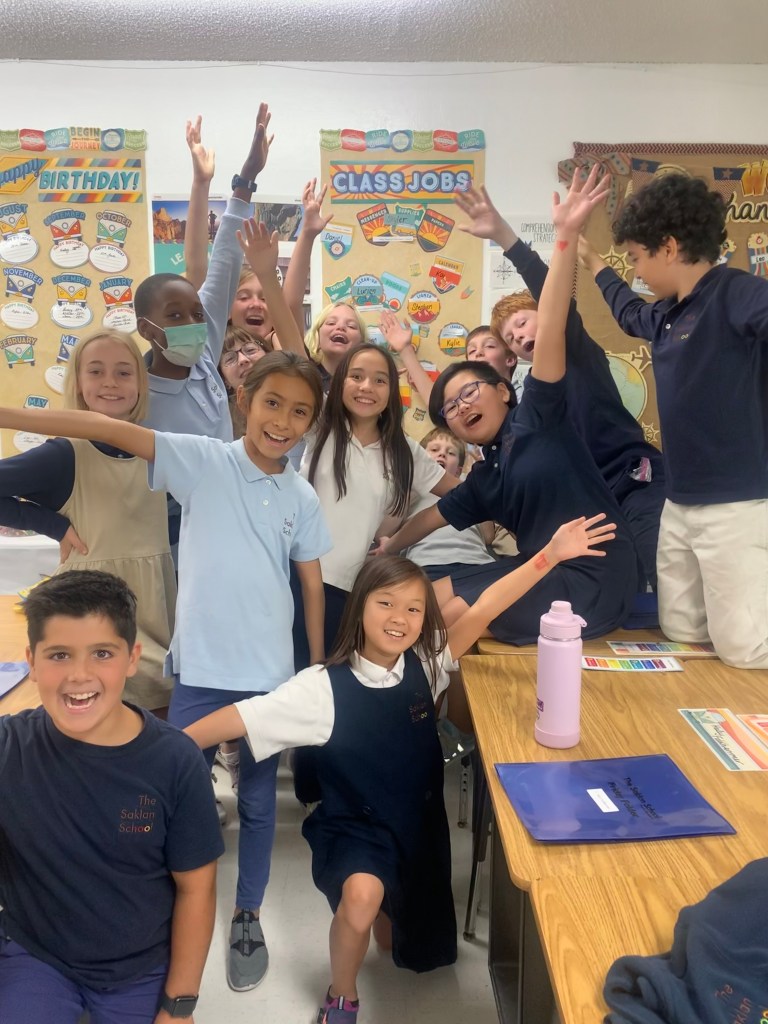
School Jobs

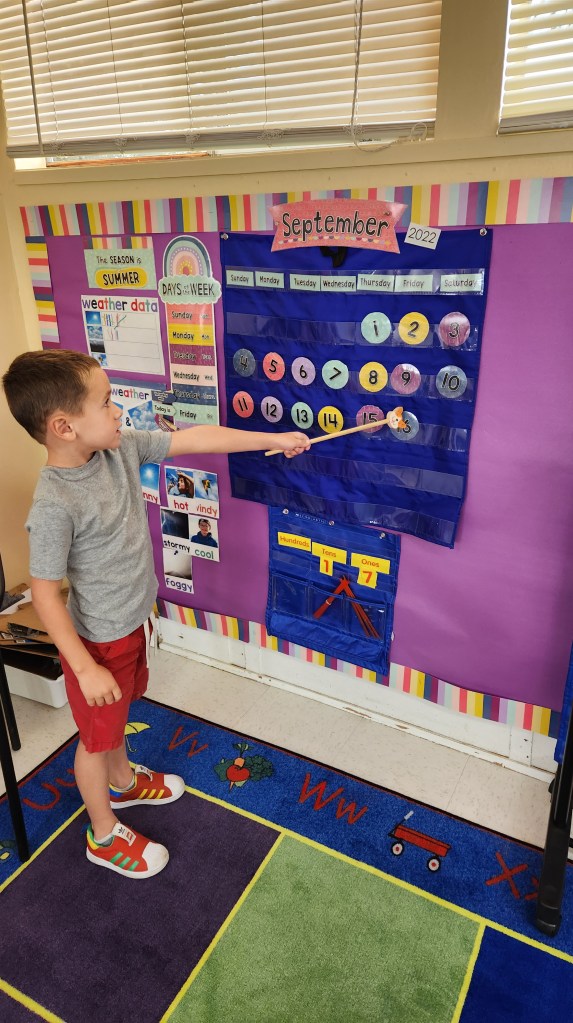
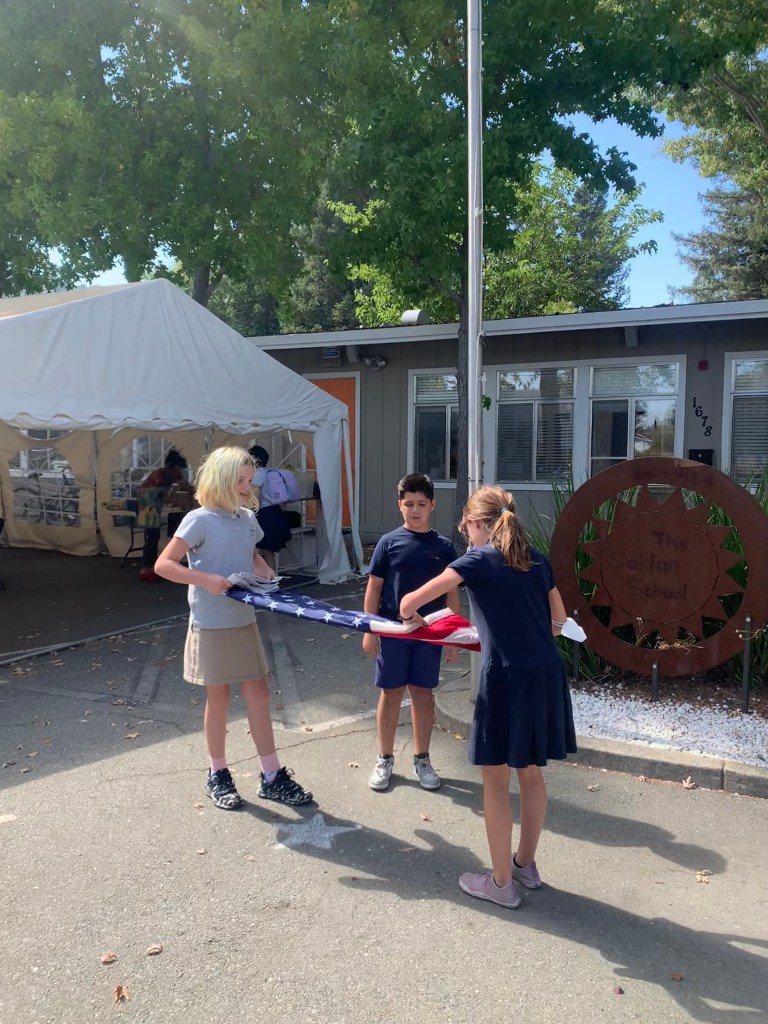
School and classroom jobs can help build a sense of excitement, community, and interdependence. These tasks, such as putting up the flag, cleaning the tables after lunch, or being the class helper give students the opportunity to exercise and practice decision making and reasoning. They also give students a chance to be responsible in a meaningful way: the children know that completing their job helps their school, classmates and/or teacher.

When children are given responsibilities like these, they feel valued, capable and respected, which in turn boosts confidence. Some of the jobs involve reading or counting, which can help develop literacy and math skills. The jobs may also give a nudge of encouragement to children who have not been volunteering for some of these tasks up until now. Our goal is that by having these jobs be one’s own special responsibility, our students will seize the opportunity to try out these tasks and to realize they are capable. 
Trail Mix Math

The sixth graders started the new school year working on challenging word problems, including one called Trail Mix:

Rowena and Polly are making trail mix. Rowena has 4 cups of raisins and Polly has 4 cups of peanuts. Polly pours exactly one cup of her peanuts into Rowena’s raisins and stirs them up. Then Rowena pours exactly one cup of her new peanut-and-raisin mixture back into Polly’s peanuts.

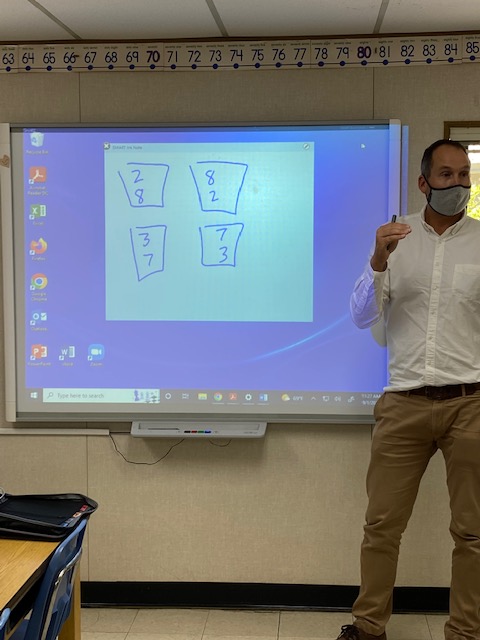
Mr. Zippin demonstrated this with red and white beans and then asked the 6th graders- “Did Rowena get more of Polly’s peanuts or did Polly get more of Rowena’s raisins?”

The students got a chance to share their ideas, first with their groups, and then with the entire class.

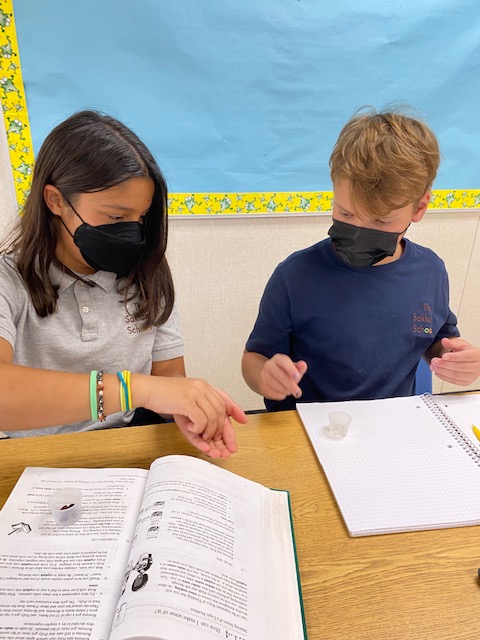
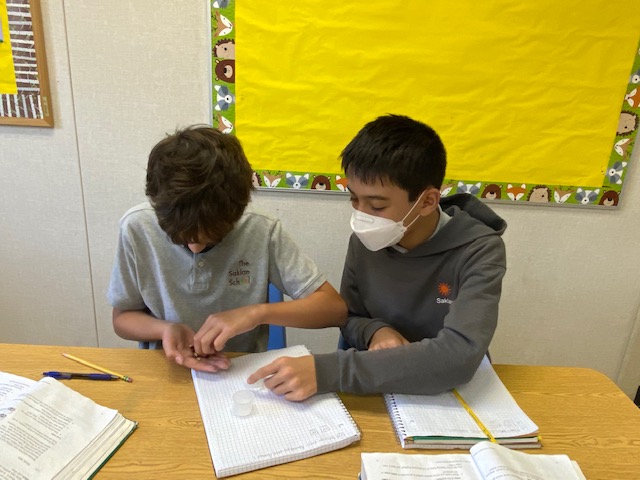
Next, the students had the opportunity to get hands-on with the beans themselves. They took ten white beans and ten red beans and put them in small containers. In teams, the students took turns taking 3 beans out of the white bean cup and putting them in with the red and mixing them up. Then, with their eyes closed, they took three beans out of the mixture and returned them to the white cup with only seven beans in it. They then recorded their results.

After doing the experiment a few times, the groups got another chance to discuss their ideas and possibly develop new conjectures.

What do you think? Did Rowena get more of Polly’s peanuts or did Polly get more of Rowena’s raisins?

#SaklanHandsOn

AmazonSmile

Support The Saklan School while you shop on Amazon! AmazonSmile is a simple way for you to support your favorite charitable organization every time you shop, at no cost to you. AmazonSmile is available at smile.amazon.com on your web browser and can be activated in the Amazon Shopping app for iOS and Android phones. When you shop AmazonSmile, you’ll find the exact same vast selection and convenient shopping experience as Amazon.com, with the added benefit that AmazonSmile will donate 0.5% of your eligible purchases to The Saklan School. 

How does AmazonSmile work?

When first visiting smile.amazon.com, you will be prompted to select a charitable organization, it is at this point that you select Saklan Valley School. Amazon will then donate 0.5% of eligible AmazonSmile purchases to Saklan.

#SupportingSaklan

The Power of Belonging

The Washington Post recently published an article by two teachers about the six things children need to thrive in today’s world. Of the six, mastery of core skills was the last one mentioned. The other five were “soft” skills, such as emotional safety, unstoppable curiosity, and a sense of agency. I can make a case of how each of the six are things that Saklan practices regularly. But of them all, the one that really “popped” for me was love, trust, and belonging.

A couple of the biggest compliments a parent can pay the school are saying things like “my child is seen” or “Saklan is their second home.” What we most want for our children is an environment where they are understood, supported through thick and thin, and loved unconditionally. We intuitively know that without those pieces in place, nothing else is possible. 

Maslow published his Hierarchy of Needs in 1943. The theory that our belonging and love needs must be met before we can truly realize our cognitive abilities (creativity, curiosity, developing understanding) is as true today as it was in 1943. If we want our students to do the hard work of making meaning out of our complex world, it starts with love, trust, and belonging. 

Warmly, 

David

#HeadsCorner #SaklanCommunity

Mid-Autumn Festival

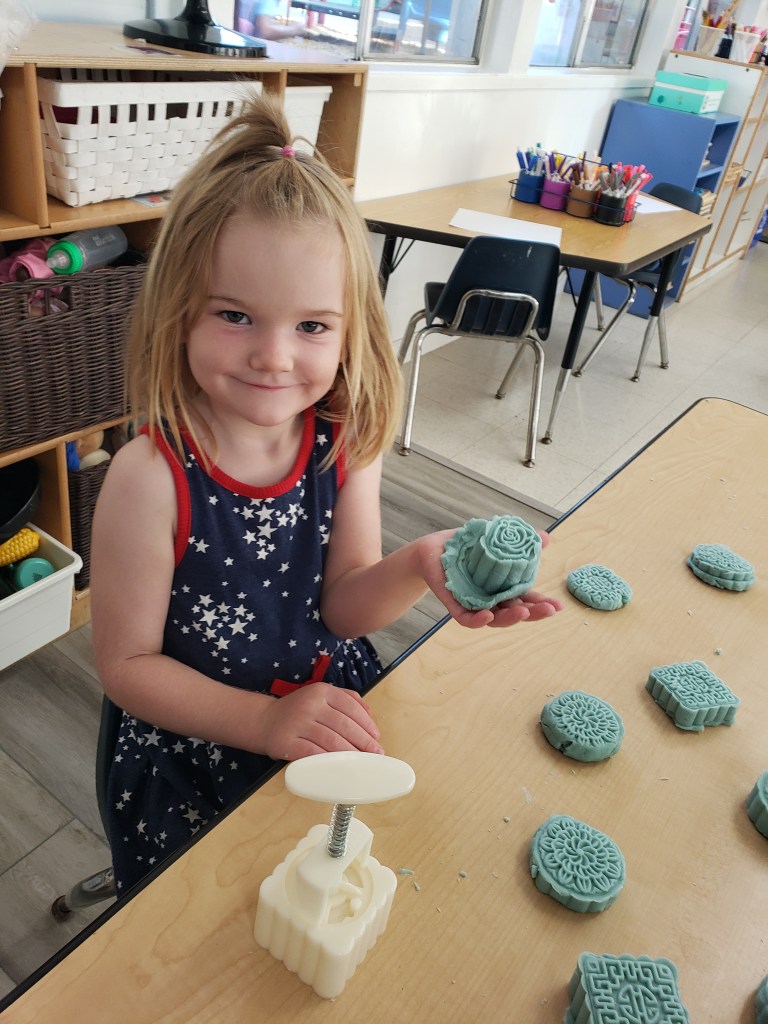
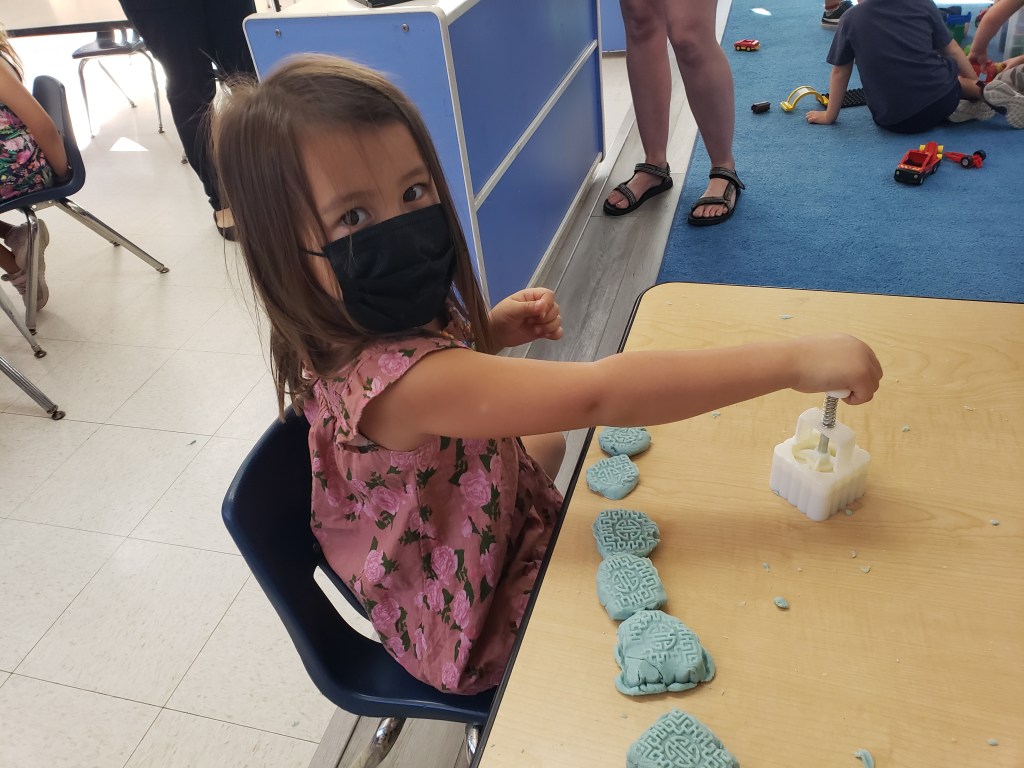
This week, the Hoot Owls learned about the Mid-Autumn Festival, or Moon Festival, that is celebrated in East and Southeast Asia to mark the end of the autumn harvest. The students read the book Thanking the Moon by Grace Lin, and learned how Maggie, one of the Pre-K teachers, celebrates the festival with her family. Maggie shared that this Saturday evening, September 10th, she will have a special dinner with her family and then go out to view the moon at night. During the viewing, her family will eat fruits and mooncakes and thank the moon for a bountiful harvest.

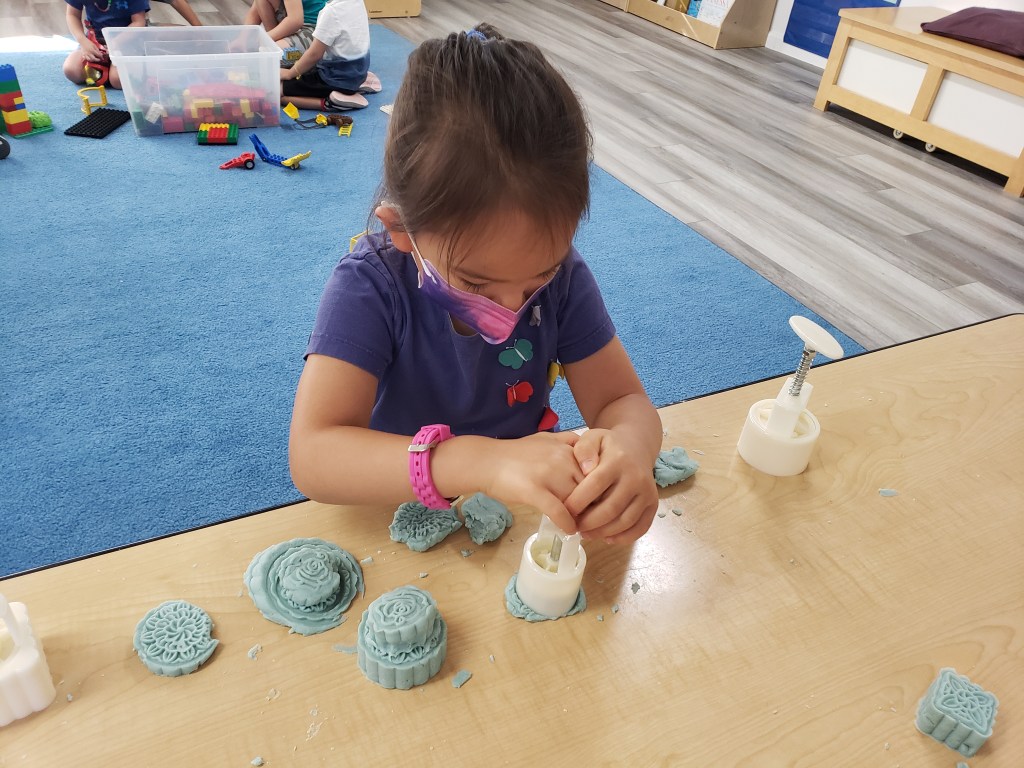
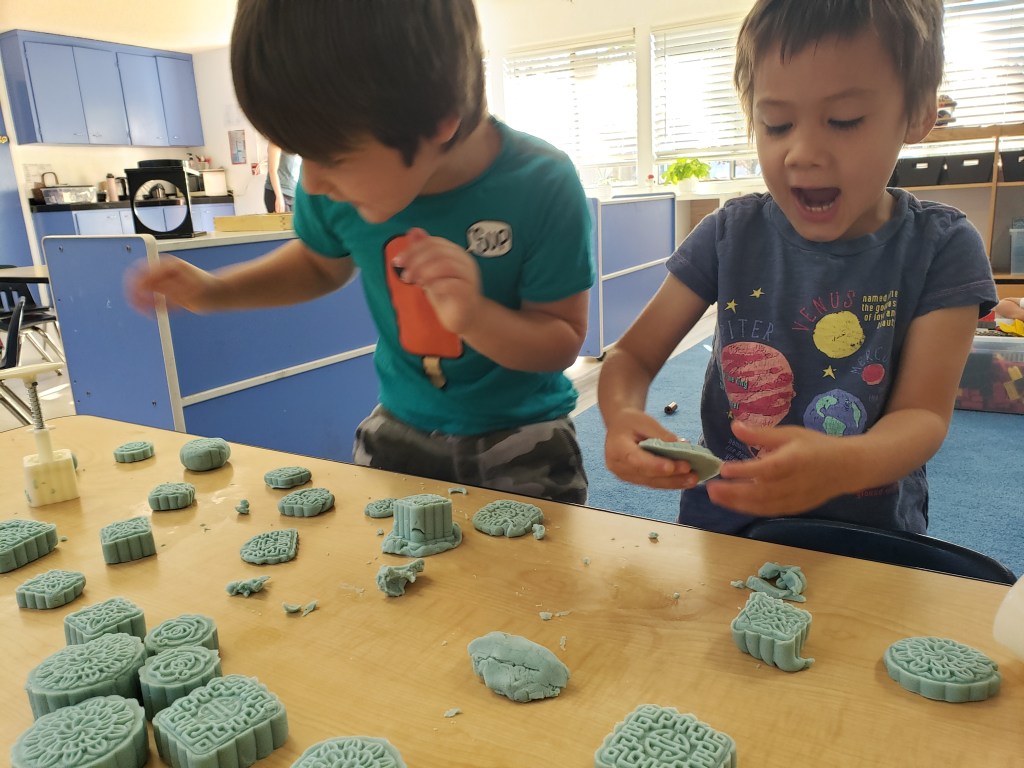
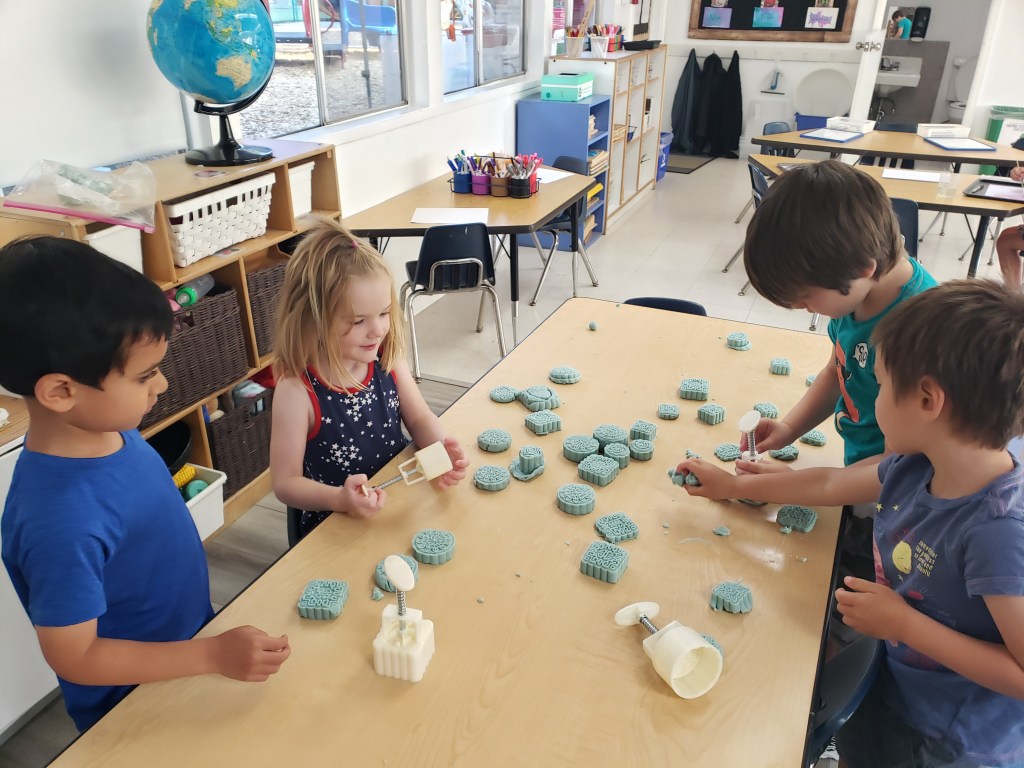
The Hoot Owls got to try their hand at making play-dough mooncakes using real mooncake presses. They were delighted at the beautiful “mooncakes” they created!

Thank you, Maggie, for sharing your family tradition with the Hoot Owls.

#SaklanDiversity #SaklanConnected

Early Humans

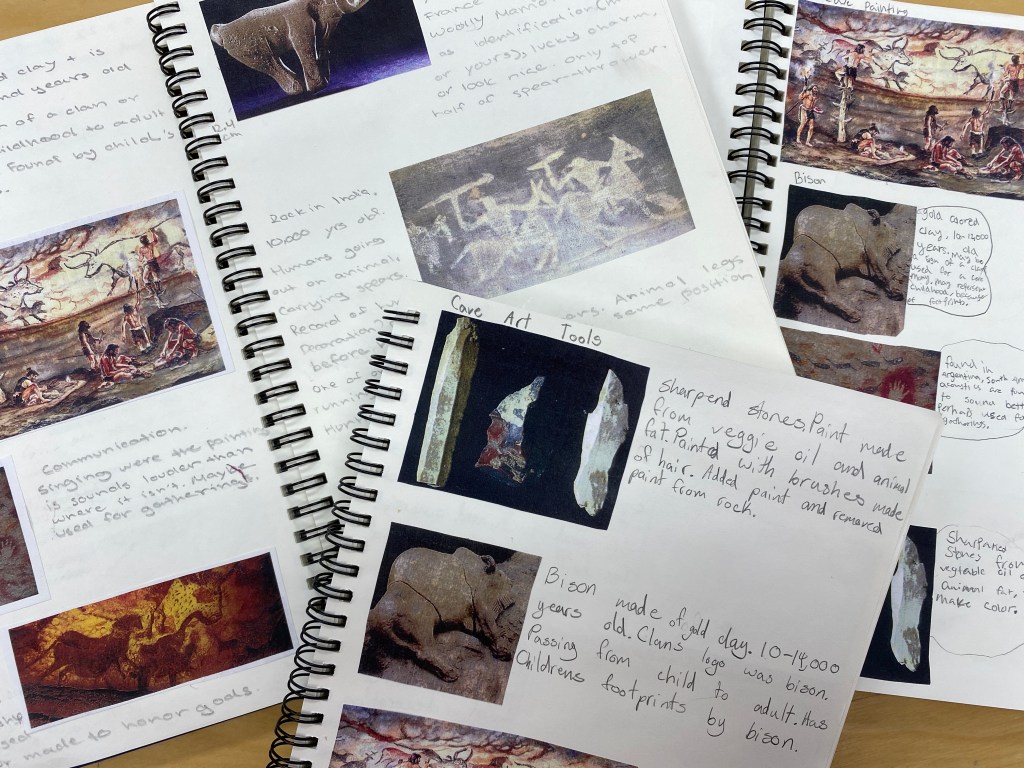
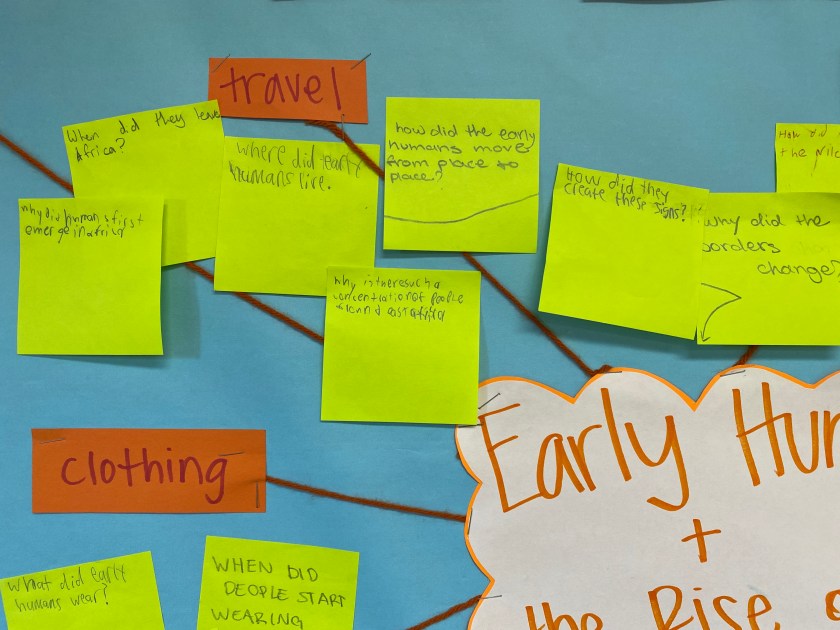
Sixth grade has begun their year of studying ancient civilizations in humanities by looking at the artifacts and clues left behind by early humans. Students have been learning from paleoanthropologists on early forms of graphic communication. They have also been exploring what it means to try and interpret an artifact or cave painting when anyone who could give definitive answers about their true meaning and purpose is long gone. 
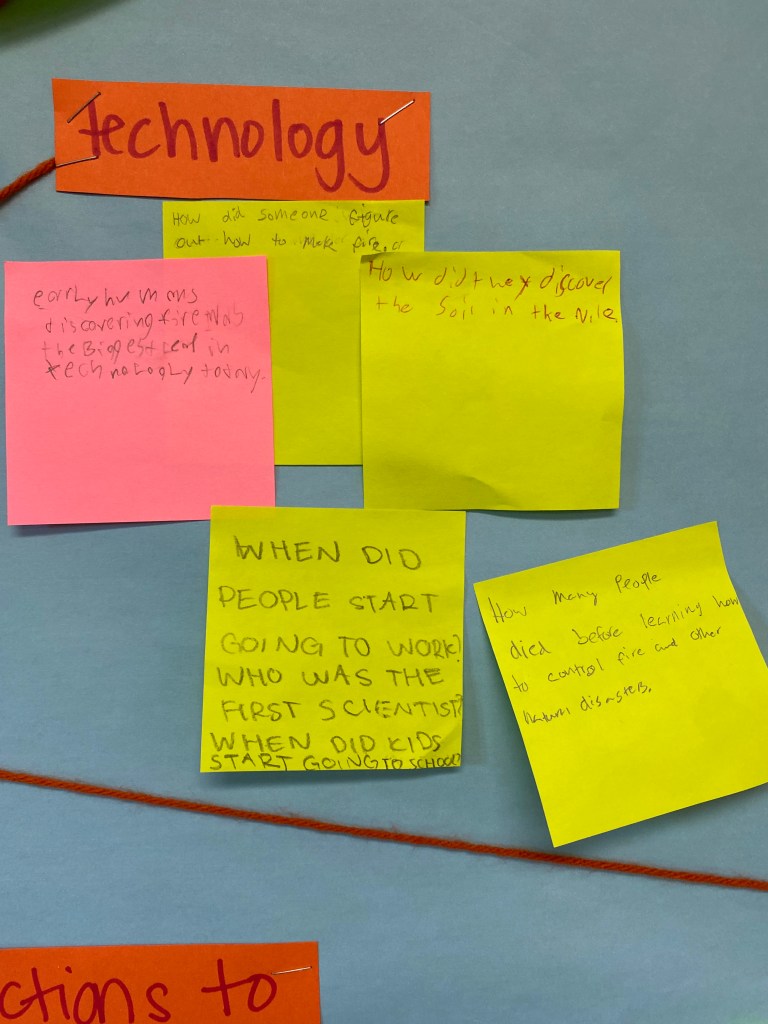
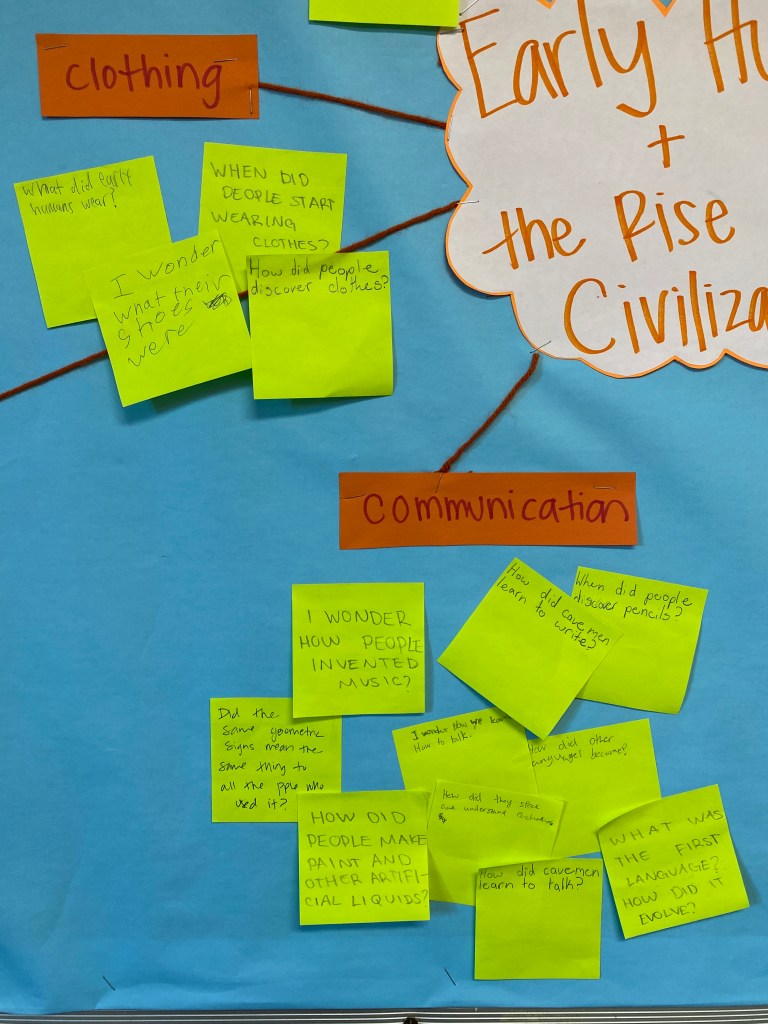
The class has been using an interactive inquiry wall and question protocols to generate student inquiry.

They moved questions and things they know into groups, and in the coming weeks students will have a chance to research and answer their own questions on early humans before beginning the project-based learning cycle with their next unit. 

#SaklanInquiryBasedLearning

Collaborative Start to the Year

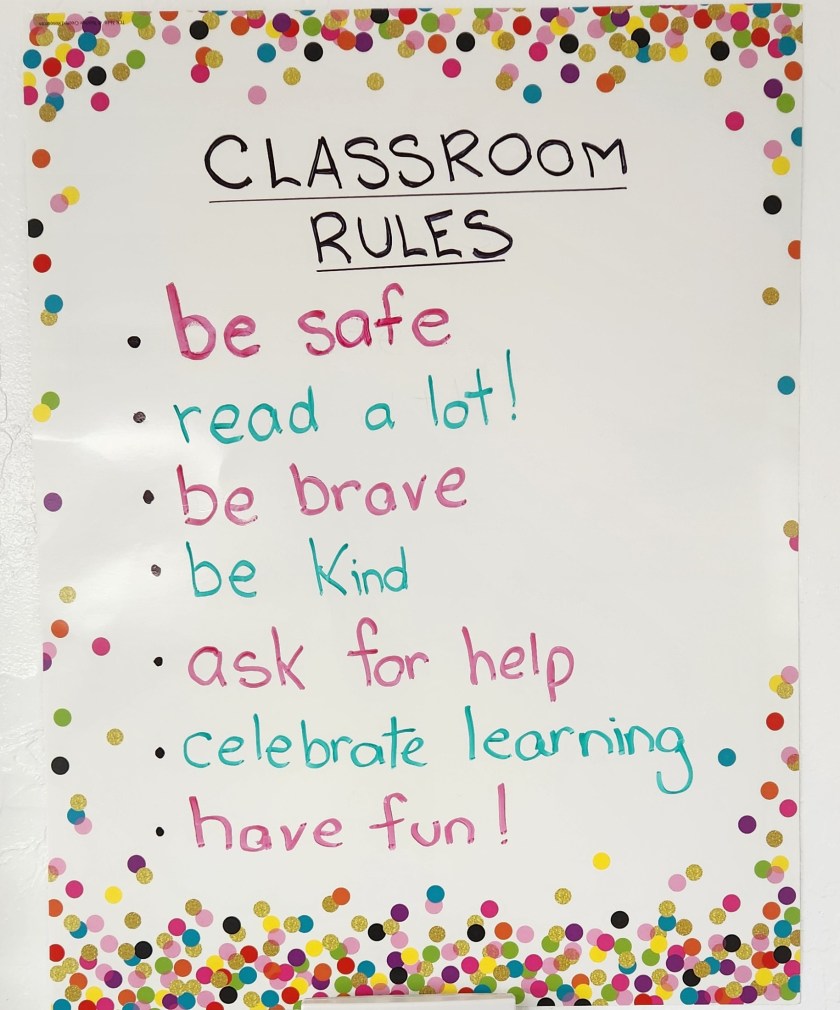
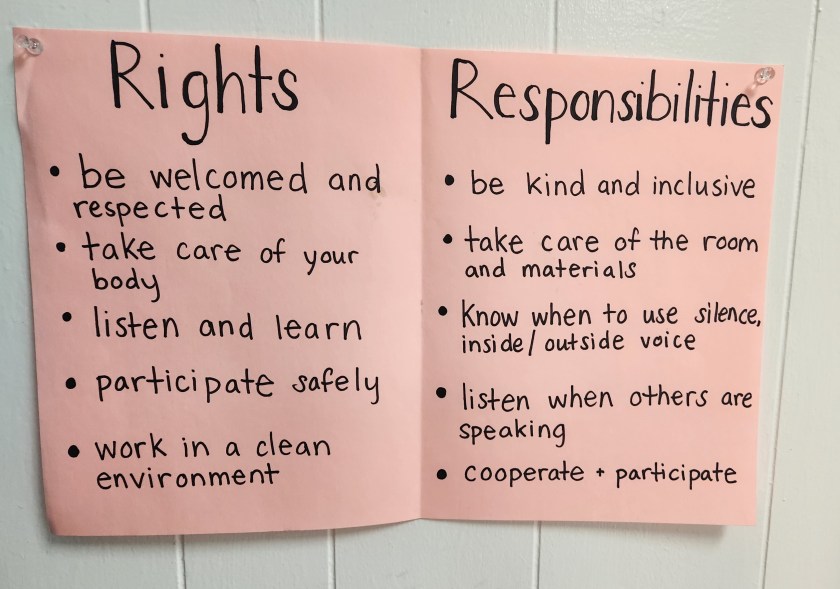
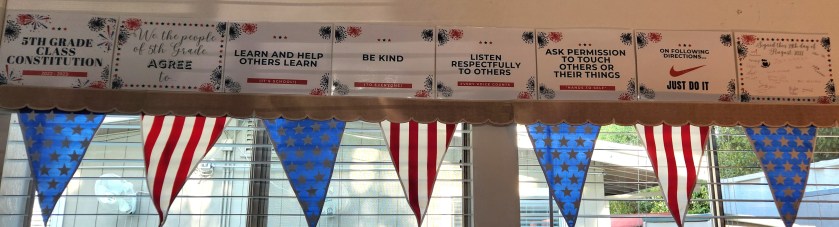
The first few weeks of each school year are all about developing new routines, making connections with teachers and classmates, and building relationships that will enable the class to work collaboratively throughout the year ahead. During this time, each class works together to create a class agreement (sometimes called class rules). As part of the Responsive Classroom approach to teaching, the agreements are created collaboratively between students and teachers, focusing on what all members of the classroom community can do to help create a calm, orderly and safe environment that promotes academic autonomy.

The agreements will look different for each class, but all are phrased in the positive, offering clear expectations of behavior and how students can live up to those expectations. By including students in the process of creating the agreements, the students are engaged in their learning, feel a sense of belonging and safe in school, and view the rules in a positive light.

Check out some of this year’s class agreements below.

#SaklanSEL

Box Tops for Education

Box Tops for Education is a quick and easy way to support Saklan!

Wondering how it works? All you have to do is buy participating products and use the Box Tops app to scan your store receipt. The app identifies eligible products and earnings are credited to your designated school. Even if you’re shopping online or doing grocery pickup, you can still submit your digital or email receipt with the Box Tops app.

Use this link to download the Box Tops app and Saklan will receive a referral bonus for your participation.

Don’t want to download an app? We will have a basket out at the front gate with the Box Tops logo on it. Drop your receipt in the basket, and a member of the Saklan admin team will use the app to scan it for you. After scanning with the app, all receipts will be shredded.

Thank you for your support of Saklan!